
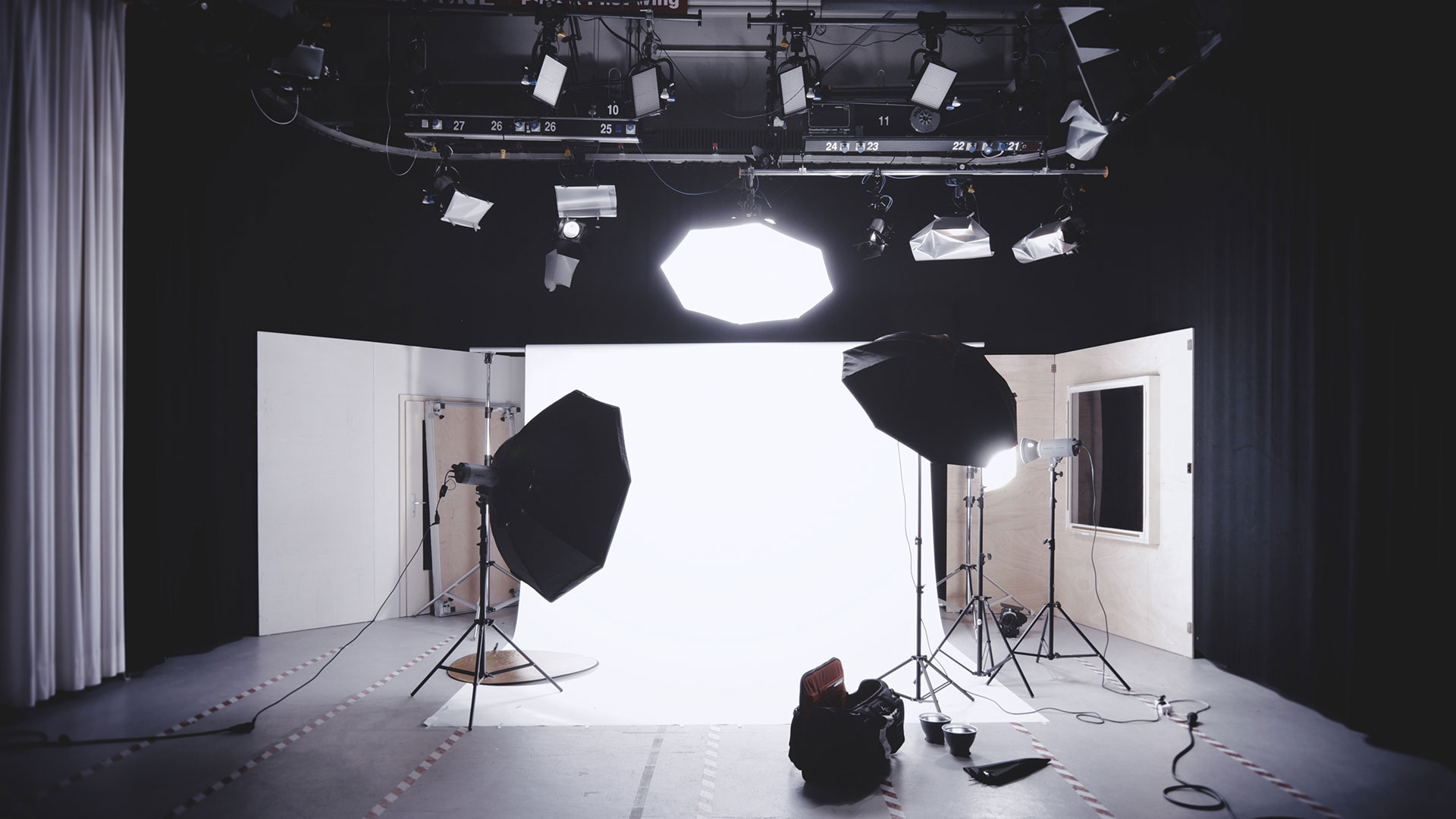

Lighting is one of the most powerful elements in photography. It can transform a simple scene into something dramatic, emotional, or timeless. At the same time, even the best composition or subject can fall flat if the lighting is poor.
In professional photography, light is not just something you use—it is something you shape, control, and understand.
Why Lighting Matters So Much
Photography literally means “drawing with light.” Without light, there is no image. But beyond visibility, lighting affects:
- Mood and emotion
- Depth and dimension
- Color accuracy
- Focus and clarity
- Overall storytelling impact
This is why lighting often determines whether a photo feels ordinary or cinematic.
Natural Light: The Beauty of Real Moments
Natural light comes from the sun and is often preferred for its softness and authenticity.
Characteristics of natural light:
- Soft and flattering during early morning or late afternoon (golden hour)
- Bright and harsh during midday
- Changes constantly depending on weather and environment
Why photographers love it:
- It creates a natural, emotional feel
- It enhances skin tones beautifully
- It is ideal for outdoor shoots like weddings, engagements, and lifestyle sessions
However, natural light is unpredictable, which means photographers must adapt quickly to changing conditions.
Artificial Light: Control and Consistency
Artificial light includes studio lights, flashes, LED panels, and other controlled lighting setups.
Characteristics of artificial light:
- Fully adjustable in intensity, direction, and color
- Works in any environment, regardless of time or weather
- Provides consistency across multiple shots
Why photographers use it:
- Perfect for indoor shoots and events
- Allows creative control over shadows and highlights
- Helps maintain quality even in low-light situations
With artificial lighting, photographers can “build” the mood instead of waiting for it.
How Photographers Shape Light for Mood
Lighting is not just about brightness—it’s about emotion.
- Soft, diffused light creates calm and romantic moods
- Strong, directional light adds drama and intensity
- Backlighting creates silhouettes and emotional depth
- Side lighting emphasizes texture and dimension
By adjusting light, photographers influence how a viewer feels when looking at an image.
Blending Natural and Artificial Light
In professional shoots, it is common to combine both types of lighting.
For example:
- Using natural light as the base and adding flash for balance
- Enhancing indoor ambient light with LED panels
- Softening harsh sunlight with reflectors or diffusers
This balance allows photographers to maintain realism while improving quality.
Lighting as a Storytelling Tool
Great photographers don’t just capture what they see—they use light to guide attention and emotion. A well-lit subject draws the eye naturally, while shadows can hide or reveal parts of a story.
In this way, lighting becomes part of the narrative itself.
Final Thoughts
Lighting is often the invisible force behind powerful photography. Whether natural or artificial, it shapes every detail of an image—from clarity to emotion.
Understanding light is what separates simple snapshots from meaningful, cinematic visuals.
