When people see a finished photo or cinematic video, they often see only the final result—clean, polished, and beautifully composed. But behind every frame is a detailed process of planning, coordination, creativity, and technical execution. A professional shoot is not just about pressing the shutter or hitting record. It is a structured workflow that transforms ideas into visual stories.
Here’s what really happens behind the scenes.
1. Pre-Shoot Preparation: Planning the Vision
Every successful shoot starts long before the camera comes out. This is where the vision is shaped.
- Client consultation to understand expectations, theme, and purpose
- Mood boards or references to define the visual style
- Location scouting to find the best lighting and background
- Shot list planning to ensure no important moment is missed
- Equipment preparation including cameras, lenses, lighting, and backups
This stage ensures that both the client and creative team are aligned on the story they want to tell.
2. Setup: Building the Scene
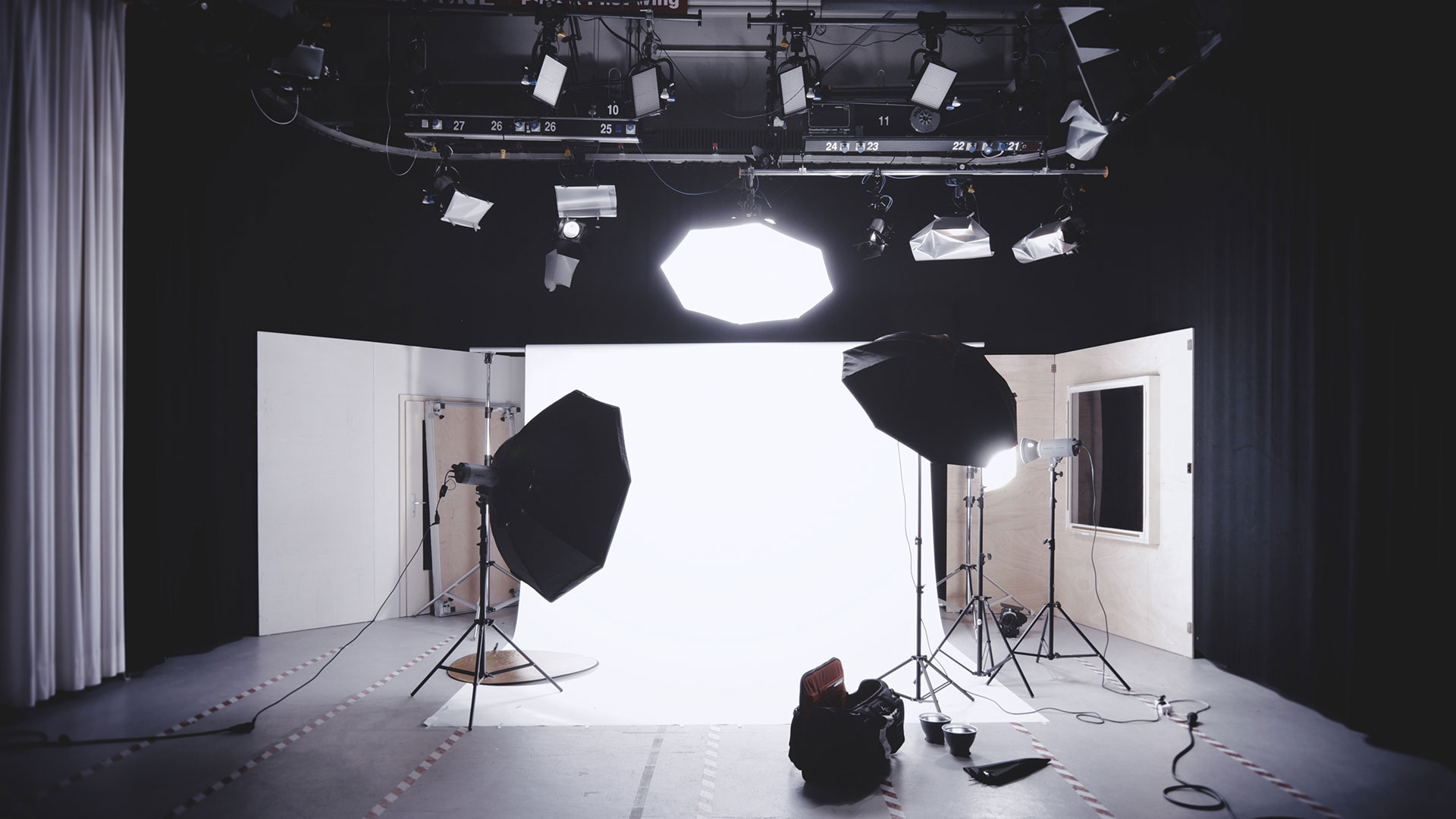
On the day of the shoot, everything is carefully set up to match the planned vision.
- Lighting is adjusted for mood and clarity
- Camera settings are calibrated for the environment
- Angles and framing are tested before shooting begins
- For events, discreet positioning is planned to capture candid moments
This phase is where technical precision meets creative direction.
3. Direction: Bringing Comfort and Emotion
A big part of professional photography is guiding people who are not used to being in front of a camera.
- Clients are given simple posing instructions
- Natural expressions are encouraged instead of forced smiles
- Movement is used to capture candid and authentic moments
- The photographer helps create a relaxed atmosphere
The goal is not perfection in stiffness, but authenticity in emotion.
4. The Shooting Process: Capturing the Story
This is the heart of the entire workflow.
- Multiple shots are taken for each moment to ensure variety
- Different angles are explored to find the most compelling perspective
- Lighting and composition are continuously adjusted
- Emotional and spontaneous moments are prioritized
Whether it is a wedding, debut, or corporate event, the focus is always on storytelling—not just documentation.
5. Post-Production: Where the Magic is Refined
After the shoot, the raw materials go through careful editing.
- Photos are selected based on quality and storytelling impact
- Color correction ensures consistency and mood
- Retouching enhances details while keeping images natural
- Videos are edited with pacing, music, and narrative flow
- Final outputs are reviewed for quality assurance
This stage transforms raw captures into polished, emotional visuals.
6. Delivery: Turning Moments into Memories
Once editing is complete, the final products are delivered to the client.
- High-resolution photos and videos are shared digitally or via storage devices
- Organized galleries make viewing easy and meaningful
- Clients receive memories they can print, share, and revisit anytime
Final Thoughts
A professional shoot is a journey—not just a single moment. From planning and setup to direction, shooting, and editing, every step is intentional.
What the client receives is more than just photos or videos. It is a carefully crafted story—one that preserves emotion, memory, and meaning long after the moment has passed.
